

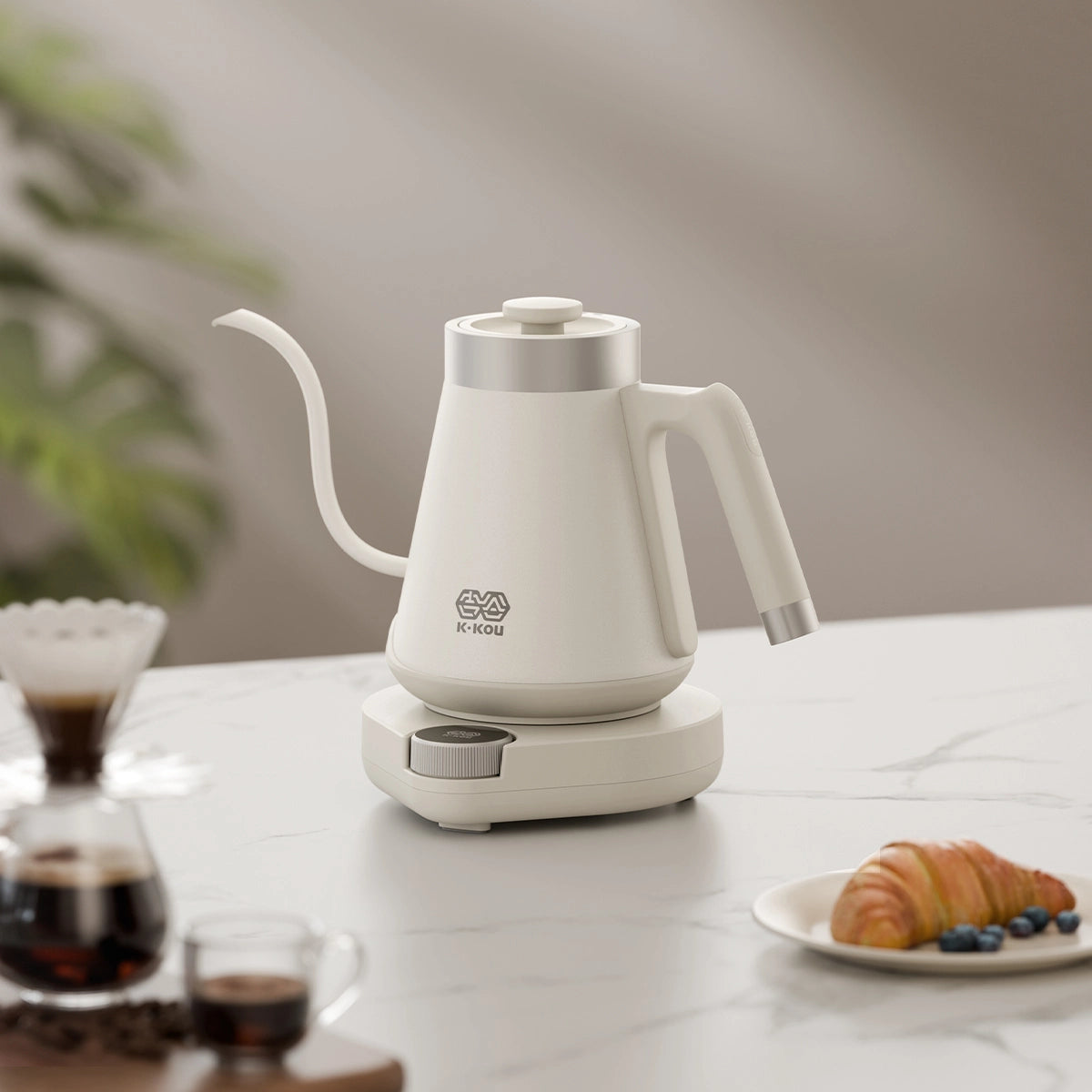
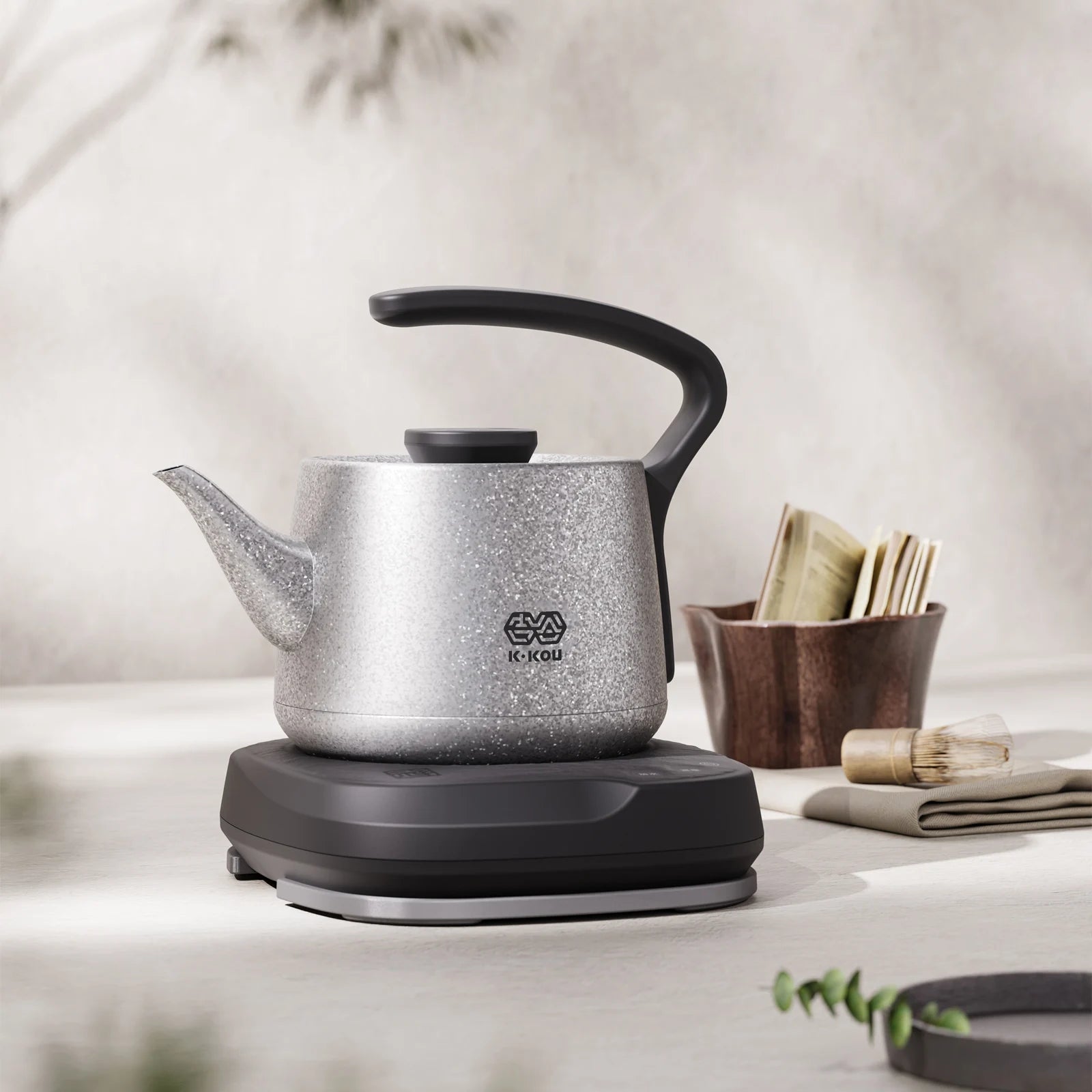
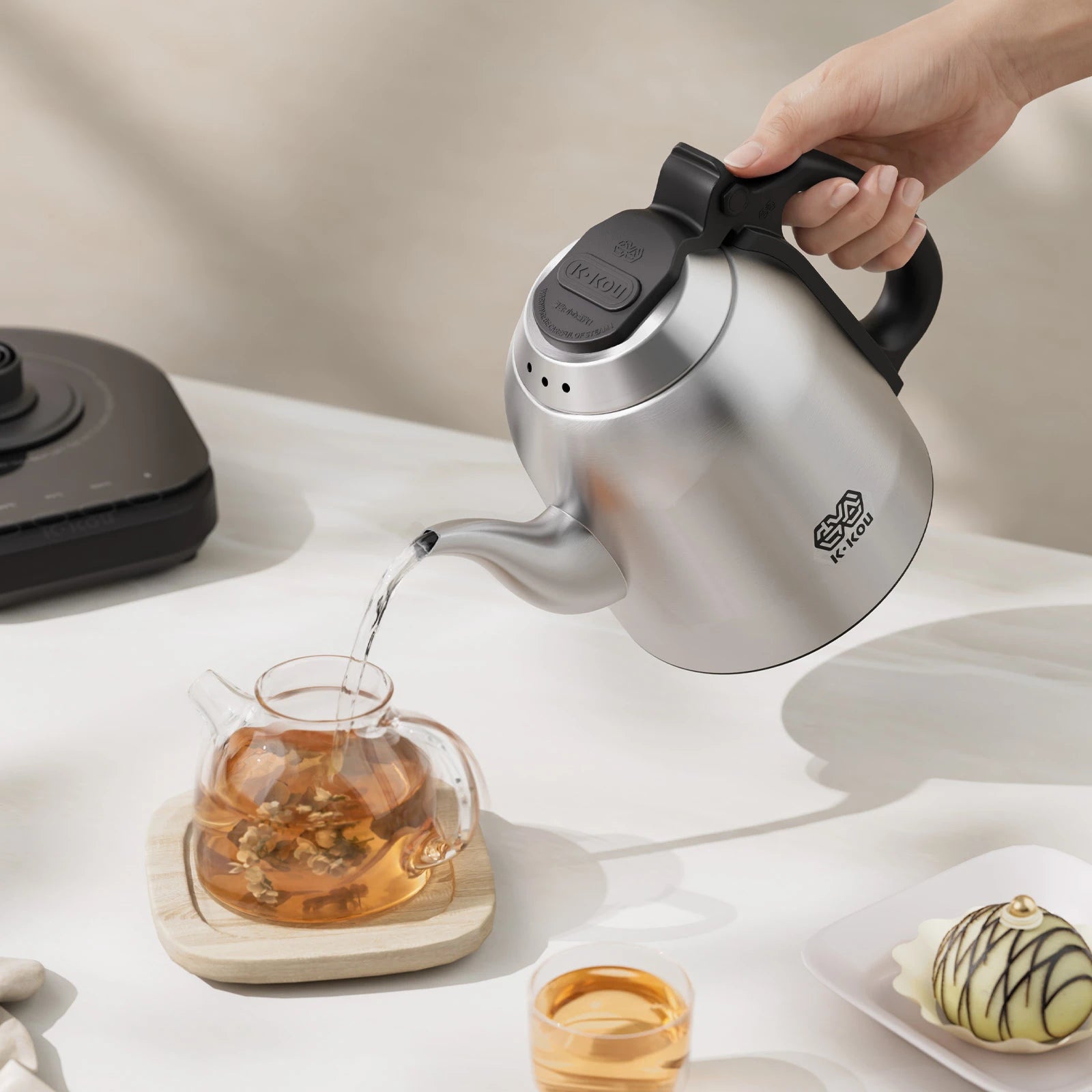
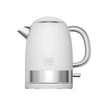
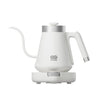


Have you ever noticed that we usually steep tea leaves in water, while coffee is ground into fine particles and brewed with water? Why do these two everyday drinks require such different brewing methods?
The difference is more than just tradition or personal preference. It comes down to the structure of the raw ingredients, the way flavor compounds are extracted, and the kind of flavor we want in the final cup.
Why Is Tea “Steeped”?
Tea is derived from the leaves of the Camellia sinensis plant. The tea leaves we enjoy today typically undergo several processes, including plucking, withering, fixation, rolling, and drying. Although these processes significantly alter the leaves' appearance and texture, they still retain much of their original structure.

When hot water comes into contact with the leaves, it gradually penetrates the leaf tissue and extracts soluble compounds such as amino acids, polyphenols, caffeine, and aromatic compounds.

As the dried leaves absorb water, they slowly unfurl. During this rehydration process, the flavors and aromas trapped within the leaves are gradually released into the water.
Therefore, steeping tea is not just about leaving the leaves in hot water; it is a dynamic extraction process. Factors such as temperature, steeping time, and the condition of the leaves all influence the final flavor of the cup.
How to Steep a Better Cup of Tea
Water temperature plays a crucial role in brewing tea, as different compounds are extracted at varying rates.
Generally, higher temperatures accelerate the extraction process. However, if the water is too hot or the leaves are steeped for too long, undesirable compounds, such as caffeine and catechins, which contribute to bitterness and astringency, can be extracted more quickly and in larger amounts. This can result in a harsh or overly bitter taste.

This is why delicate green teas are not always best brewed with freshly boiled water.
For everyday green teas, like Longjing, Biluochun, and jasmine green tea, a water temperature of around 75–85°C (167–185°F) is a good starting point. Using a gentler temperature helps create a more balanced cup, allowing the flavors of freshness, aroma, sweetness, and astringency to work together without letting bitterness dominate.
It's important to note that there is no single temperature that works for every green tea. The ideal brewing conditions can vary based on the leaf grade, processing method, and personal preference.
Temperature is just one part of the equation; the tea-to-water ratio, steeping time, and the degree to which the leaves unfurl also significantly impact the final flavor.

In summary, brewing tea is about controlling how quickly and how much flavor is released from the leaves into the water.
Why Is Coffee “Brewed”?
One of the biggest differences between coffee and tea is the structure of the raw ingredient.
The coffee beans we know are actually the seeds found inside coffee cherries. After harvesting, processing, drying, and roasting, they become the familiar coffee beans we use for brewing.

Unlike tea leaves, however, whole coffee beans are not particularly efficient at releasing their soluble compounds into water. Their dense internal structure limits the amount of surface area available for water to interact with.
That is why coffee is almost always prepared through three basic steps: Grinding → Increasing surface area → Extraction.
Grinding breaks the beans into many smaller particles, dramatically increasing the surface area that can come into contact with water.
This allows hot water to penetrate the coffee grounds more effectively and extract the soluble compounds responsible for the coffee's aroma, acidity, sweetness, bitterness, and body.
How to Brew Better Coffee
Let's take pour-over coffee as an example.
During the brewing process, hot water flows through a bed of ground coffee. As the water moves through the grounds, it dissolves and carries away soluble flavor compounds. The resulting liquid then passes through a paper filter, which leaves us with a relatively clean and clear cup of coffee.

While this process may sound simple, consistently brewing great coffee requires careful control over several variables:
1. Water Temperature: This affects the rate at which different compounds are extracted.
2. Grind Size: This determines the surface area available for extraction and influences how quickly water flows through the coffee bed.
3. Pouring Technique: This impacts how evenly the coffee grounds are saturated and how the water moves through the bed.
4. Brew Time: This has a direct influence on how much soluble material is extracted.
5. Coffee-to-Water Ratio: This determines the concentration and overall balance of the final cup.
Small changes to any of these factors can noticeably change the taste.
Different Methods, Same Goal
At first glance, steeping tea and brewing coffee may seem like completely different processes. However, both methods fundamentally rely on using water at the appropriate temperature and in the right manner to extract the best flavors from plant-based ingredients. Ultimately, they share the same goal: the pursuit of better flavor.


Leave a comment
This site is protected by hCaptcha and the hCaptcha Privacy Policy and Terms of Service apply.